The Resurrection: Victory Over Death and the Hope of Eternity
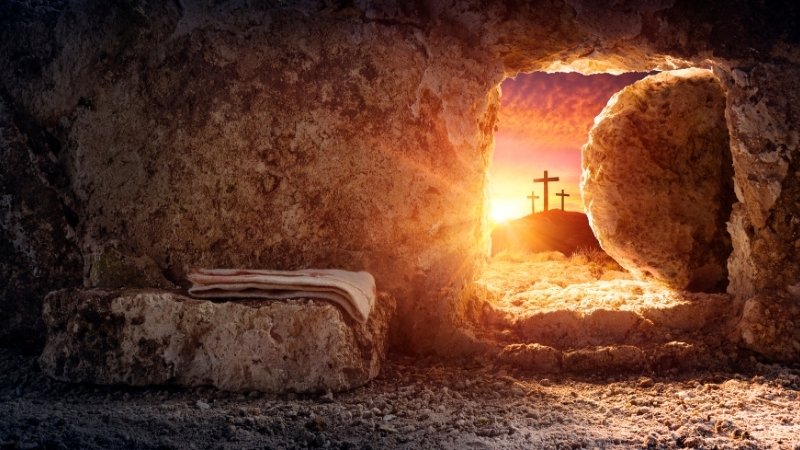
The resurrection of Jesus Christ is the cornerstone of the Christian faith. Without it, the Christian message loses its foundation; because Christ has been raised, everything changes. The apostle Paul declares, “But Christ has indeed been raised from the dead, the firstfruits of those who have died” (1 Corinthians 15:20).
The resurrection is more than an inspiring story or a symbol of hope. The New Testament presents it as God's decisive victory over death, the confirmation of Jesus' identity and mission, and the foundation of our hope for eternal life. Because Jesus rose from the dead, believers can face the present with purpose, endure suffering with hope, and look forward to the resurrection God has promised.
Understanding the resurrection helps us see why it stands at the heart of the gospel and how its significance shapes our lives today.
The Resurrection Accounts
All four Gospels testify to the resurrection of Jesus Christ. Although each writer emphasizes different details, together they proclaim the same central truth: Jesus died, was buried, and rose from the dead on the third day, just as He had promised.
Matthew's account describes the women arriving at the tomb, the angel announcing that Jesus had risen, and the risen Lord appearing to His followers (Matthew 28). It emphasizes both the reality of the Resurrection and the mission Jesus entrusted to His disciples.
Mark's account records the women's discovery of the empty tomb and the angel's declaration, “He has risen! He is not here” (Mark 16:6). The announcement that Jesus was alive transformed the meaning of the events surrounding His crucifixion.
Luke's account describes the empty tomb, the disciples' initial difficulty believing the news, and Jesus appearing to His followers. Jesus showed them His hands and feet and ate in their presence, demonstrating that He had truly risen (Luke 24:36–43).
John's account focuses on Mary Magdalene's encounter with Jesus, Thomas's confession of faith, and other appearances to the disciples (John 20–21). Thomas ultimately declared to Jesus, “My Lord and my God!” (John 20:28).
These accounts are not merely stories of encouragement. They bear witness to the central event of the Christian faith. Jesus did not simply live on in the memories of His followers. He rose bodily from the dead, and His disciples became witnesses to the risen Lord.
The Theological Meaning of the Resurrection
The Resurrection is central to the gospel because it reveals the victory God accomplished through Jesus Christ and confirms the hope offered to everyone who belongs to Him.
Victory over death. First Corinthians 15:54–57 declares that death will be swallowed up in victory through Jesus Christ. By rising from the dead, Jesus demonstrated His authority over death and secured the hope that death will not have the final word. Believers still experience physical death and grieve the loss of loved ones, but they do so with the assurance that Christ has overcome the grave and will raise His people.
Confirmation of Jesus' identity. Jesus is not merely a moral teacher or prophet whose ideas continue to inspire people. He is the Son of God and the promised Messiah. His Resurrection vindicates His identity and confirms the truth of His teaching. Romans 1:4 speaks of Jesus being declared the Son of God in power by His resurrection from the dead.
The accomplishment of redemption. Romans 4:25 teaches that Jesus was delivered over to death for our sins and raised for our justification. His death and Resurrection belong together in God's saving work. Jesus gave Himself for our sins, and God raised Him from the dead. Through faith in Christ, sinners can receive forgiveness, be reconciled to God, and be declared righteous before Him. To explore the significance of His sacrifice, see The Cross: Redemption, Sacrifice, and Eternal Significance.
The beginning of the promised kingdom. Paul calls Christ the “firstfruits” of those who have died (1 Corinthians 15:20–23). In the biblical harvest, firstfruits were the beginning of what was still to come. Jesus' Resurrection is therefore the beginning and guarantee of the resurrection of those who belong to Him.
The Resurrection and Believers
The Resurrection is not only a truth about Jesus' past. It determines the future of those who trust in Him and gives meaning to their lives today.
We will be raised from the dead. First Corinthians 15:20–23 teaches that Christ's Resurrection is the firstfruits of the resurrection promised to His people. Just as Jesus was raised, those who belong to Him will also be raised at His coming. Christian hope is not limited to the survival of the soul after death. God promises the resurrection and transformation of His people, freeing them from the power of death.
God's power is at work in believers. Ephesians 1:19–20 describes God's immeasurable power toward those who believe, the same power He demonstrated when He raised Christ from the dead. This does not mean Christians will never feel weak or experience hardship. It means that the God who raised Jesus is able to strengthen His people, sustain their faith, and transform their lives as they follow Him.
Our future is secure in the risen Christ. Romans 6:9 declares that Christ, having been raised from the dead, will never die again. His victory is permanent. Those who are united with Him can trust that neither death nor the grave can overturn God's promise of eternal life. Our confidence rests not in our own strength but in the faithfulness and saving work of Jesus Christ.
We have a living hope. First Peter 1:3–4 teaches that God has given believers new birth into a living hope through the resurrection of Jesus Christ from the dead. This hope rests on an inheritance that cannot perish, spoil, or fade. Our circumstances may change, and earthly security may fail, but the future God has promised through Christ remains.
For a deeper look at the relationship between Christ's Resurrection and the believer's eternal future, read The Resurrection of Jesus Christ: The Guarantee of Eternal Life.
The Biblical Testimony to the Resurrection
Christians believe that Jesus Christ truly rose bodily from the dead. This conviction rests on the testimony preserved in Scripture and the central place the Resurrection holds in the earliest Christian proclamation.
The empty tomb. All four Gospels report that Jesus' tomb was found empty. Matthew 28:11–15 also records an alternative explanation circulated by Jesus' opponents. The Gospel testimony presents the empty tomb as a sign that Jesus had risen, not that His body had merely been moved or that His followers were preserving a comforting memory.
The appearances of the risen Jesus. In 1 Corinthians 15:3–8, Paul recounts an early summary of the gospel: Christ died for our sins, was buried, was raised on the third day, and appeared to His followers. Paul names Peter, the Twelve, more than five hundred people, James, and the apostles among those who encountered the risen Lord. These witnesses are central to the New Testament's testimony that the Resurrection was a real event.
The transformation of the disciples. The Gospels describe the disciples as frightened and confused around the time of Jesus' arrest and crucifixion. Afterward, they proclaimed His Resurrection and continued to bear witness to Him despite opposition. The New Testament attributes their renewed conviction to their encounters with the risen Jesus. Their testimony helped establish the early church and spread the gospel beyond Jerusalem.
The conversion of James and Paul. Jesus' brother James did not believe in Him during His earthly ministry (John 7:5), yet Paul later identifies James as one to whom the risen Jesus appeared (1 Corinthians 15:7). Paul himself had persecuted the church before becoming a devoted apostle of Christ (Galatians 1:13–16). Their changed lives form part of the broader biblical testimony to the power of the Resurrection.
The first day of the week. The New Testament records Christians gathering on the first day of the week (Acts 20:7; 1 Corinthians 16:2). The early church's association of this day with the Resurrection reflected its conviction that Jesus had risen. This practice became an enduring expression of Christian worship centered on the risen Lord.
For Christians, these testimonies belong to the larger witness of Scripture: Jesus was crucified, buried, and raised in fulfillment of God's saving purpose. Faith in the Resurrection is not belief in a vague spiritual symbol but trust in what God has accomplished through Jesus Christ.
The Nature of the Resurrection Body
The Gospels show that the risen Jesus was the same Lord who had been crucified, yet His resurrected life was transformed. This helps us understand the hope Scripture gives us concerning our own resurrection.
Jesus rose bodily. In Luke 24:36–43, Jesus invited His disciples to look at His hands and feet and ate in their presence. In John 20:24–29, He invited Thomas to examine the wounds associated with His crucifixion. These passages affirm that the risen Jesus was not merely a vision or a spiritual influence. He had truly risen from the dead.
His body was transformed. The risen Jesus sometimes appeared in ways that surprised His followers, and He was not immediately recognized in certain encounters. Scripture presents His resurrected life as different from ordinary mortal existence. His Resurrection was not simply a return to the same conditions of life He had known before the crucifixion.
His identity remained unchanged. The One who rose was the same Jesus who had taught His disciples, suffered on the cross, and been buried. His resurrection body was transformed, but He was not replaced by another person or reduced to a memory.
Paul develops the implications for believers in 1 Corinthians 15:35–54. He teaches that what is perishable will be raised imperishable, and what is sown in weakness will be raised in power. Although we do not know every detail about our future resurrection bodies, Scripture assures us that God will raise His people to share in Christ's victory over death.
Living in Light of the Resurrection
The Resurrection is meant to shape our choices, attitudes, and relationships. Because Jesus is alive, Christians have reason to live with hope and faithfulness even when life is difficult.
We can face death with hope. Hebrews 2:14–15 describes how Christ's victory frees people from slavery to the fear of death. This does not mean believers never feel afraid or that grief should be suppressed. It means that death is not the final destination for those who belong to Christ. We can mourn honestly while trusting God's promise of resurrection and eternal life.
We can live with lasting purpose. First Corinthians 15:58 follows Paul's teaching on the Resurrection with a call to remain steadfast and devoted to the Lord's work, knowing that our labor in Him is not in vain. Acts of love, service, obedience, and faithfulness matter even when their results are unseen. Because eternity is real, we have reason to invest our lives in what honors God.
We can endure suffering without surrendering hope. In 2 Corinthians 4:16–18, Paul acknowledges the reality of hardship while directing believers toward the eternal glory God has promised. Resurrection hope does not deny pain or guarantee immediate relief. It assures us that suffering is temporary in the light of God's eternal purposes and that He will ultimately make all things right.
We can live with confidence in God's promises. Romans 15:13 speaks of the God of hope filling believers with joy and peace as they trust Him. The Resurrection gives substance to this hope. We do not know everything the future holds, but we know that Jesus has risen and that His promises are trustworthy.
The Resurrection and Your Faith
The Resurrection is not merely a doctrine to acknowledge; it calls for a personal response to the risen Jesus Christ. The New Testament invites us to believe in Him, receive the life He offers, and walk in the newness of life that comes through faith.
Ephesians 2:4–6 describes believers as being made alive with Christ and raised with Him. This speaks of the new spiritual life God gives through His grace. It does not mean that believers have already experienced the final bodily resurrection, but that their life with God has begun through their union with Christ.
If you want to understand what it means to receive new life in Jesus, read Born Again: What It Means to Be Reborn in Christ.
The resurrection of Jesus Christ is the foundation of Christian faith and the source of our hope for eternity. Jesus is alive. Sin and death will not have the final word. God has promised to raise those who belong to Christ and bring His saving purposes to completion.
Because of the Resurrection, we can live faithfully today, endure suffering without losing hope, and look forward with confidence to the resurrected life God has promised through His Son.