The Resurrection of Jesus Christ: The Guarantee of Eternal Life
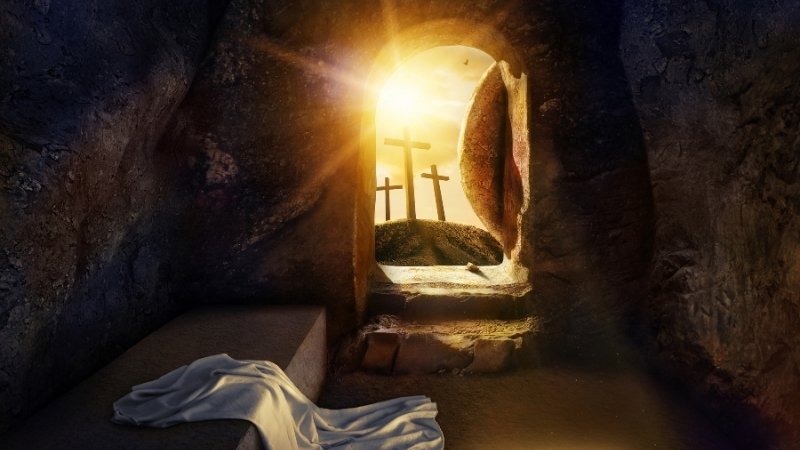
The resurrection of Jesus Christ is the cornerstone of the Christian faith. Without it, the Christian message loses its foundation; because Christ has been raised, everything changes. The apostle Paul declares, “But Christ has indeed been raised from the dead, the firstfruits of those who have died” (1 Corinthians 15:20).
The resurrection is more than an inspiring story or a symbol of hope. The New Testament presents it as God's decisive victory over death, the confirmation of Jesus' identity and mission, and the foundation of our hope for eternal life. Because Jesus rose from the dead, believers can face the present with purpose, endure suffering with hope, and look forward to the resurrection God has promised.
Understanding the resurrection helps us see why it stands at the heart of the gospel and how its significance shapes our lives today.
The Biblical Accounts of the Resurrection
The Gospel accounts.
All four Gospels testify that Jesus rose from the dead, though each emphasizes different details of the events surrounding the empty tomb and Jesus' appearances.
- Matthew 28: Women discover the empty tomb, encounter the risen Jesus, and the disciples receive His commission in Galilee.
- Mark 16: The women discover the empty tomb and receive the message that Jesus has risen. The longer ending of Mark, included in many Bible translations with a textual note, also describes appearances of the risen Jesus.
- Luke 24: Jesus appears to the disciples on the road to Emmaus and later to the gathered disciples in Jerusalem, explaining how the Scriptures point to His suffering and resurrection.
- John 20–21: Jesus appears to Mary Magdalene and His disciples, including Thomas, and later meets disciples in Galilee.
These accounts differ in their selection and arrangement of events, but they share the central proclamation that Jesus, who was crucified and buried, rose from the dead. The disciples did not present the resurrection merely as a metaphor for renewed hope. They proclaimed that God had raised Jesus to life.
Paul's testimony.
In 1 Corinthians 15:3–8, Paul passes on an early Christian proclamation that Christ died for our sins, was buried, was raised on the third day, and appeared to witnesses. Paul names Peter, the Twelve, more than five hundred believers, James, the apostles, and finally himself.
This testimony is especially significant because Paul had previously persecuted the church. He later became a devoted messenger of the gospel after what he understood to be an encounter with the risen Jesus (Acts 9:1–22; 1 Corinthians 15:8–10).
Paul's account shows that belief in Jesus' resurrection was central to the early Christian message. The resurrection was not a later addition to Christianity; it was part of the good news the earliest believers proclaimed.
The appearances of the risen Jesus.
Acts 1:3 says that Jesus presented Himself alive to His apostles after His suffering and appeared to them over forty days before His ascension. The Gospel accounts describe encounters in which Jesus spoke with His followers, showed them His wounds, and, in Luke 24:42–43, ate in their presence.
These details emphasize the bodily nature of the resurrection as the New Testament presents it. Jesus was not merely a memory or an idea that continued to inspire His followers. He was the risen Lord, although His resurrection body was transformed and His appearances sometimes left His disciples astonished or initially uncertain about His identity.
For Christians, these accounts provide the foundation for believing that Jesus truly conquered death and lives today.
The Historical and Theological Significance of the Resurrection
God vindicated Jesus and confirmed His identity.
During His ministry, Jesus spoke of His unique relationship with the Father and predicted that He would suffer, die, and rise again (Matthew 16:21; Mark 8:31; Luke 9:22). His resurrection is presented in the New Testament as God's vindication of Jesus and a decisive confirmation of His identity and mission.
Romans 1:4 connects Jesus' resurrection with His identity as the Son of God in power. The resurrection does not stand alone as an isolated event; it belongs to the larger story of Jesus' life, teaching, sacrificial death, and victory over death.
The resurrection confirms the heart of the gospel.
Paul makes the importance of the resurrection unmistakably clear in 1 Corinthians 15:14: if Christ has not been raised, Christian preaching and faith are empty. The resurrection is essential to the message that Jesus' death was not a tragic defeat but part of God's saving work.
Through His death and resurrection, Jesus offers forgiveness, reconciliation with God, and new life to those who trust in Him. His resurrection confirms that death did not have the final word over Him and that the hope proclaimed through His gospel rests on the living Christ.
To explore the significance of His sacrifice, read Why Did Jesus Die on the Cross?.
The resurrection is the foundation of Christian hope.
First Corinthians 15:20 calls Christ the “firstfruits” of those who have died. In the biblical imagery of a harvest, firstfruits are the beginning and promise of what is to come. Jesus' resurrection points forward to the resurrection of those who belong to Him.
Christian hope is therefore more than the belief that a person's spirit continues after death. The New Testament looks forward to God's renewal of life, including the resurrection of the body. Because Jesus has been raised, believers can trust God's promise that death will not have the final victory.
Jesus has conquered sin and death.
In 1 Corinthians 15:54–57, Paul celebrates the future defeat of death and gives thanks to God for the victory He grants through Jesus Christ. The resurrection demonstrates that death, though still a painful reality in the present, will not remain victorious forever.
Christ's victory also changes our relationship with sin. Through faith in Him, believers are forgiven and brought into a new life in which sin no longer needs to rule them. This does not mean Christians become immune to temptation, suffering, or physical death today. It means that sin and death do not have the ultimate authority over those who belong to Christ.
What the Resurrection Means for Believers
Eternal life through Christ.
Jesus declares in John 11:25–26, “I am the resurrection and the life.” He speaks these words to Martha after the death of her brother Lazarus, directing her attention to Himself as the source of life and resurrection.
Through faith in Jesus, believers receive eternal life. This promise does not mean that Christians will never experience physical death. Rather, physical death cannot ultimately separate those who belong to Christ from the life God promises. The Christian hope rests in the risen Jesus, who will raise His people and bring them into the fullness of life with God.
The promise of bodily resurrection and transformation.
In 1 Corinthians 15:42–44, Paul describes the resurrection body as imperishable, glorious, and powerful. The body that is buried in weakness and mortality will be raised transformed by God's power.
This promise gives Christians hope beyond the limitations of the present body. Pain, disease, aging, and death are real experiences in this life, but they will not define the future God has promised. The resurrection points toward a life in which death and corruption no longer hold sway.
The Holy Spirit's work in believers today.
The resurrection is not only a future hope; it also shapes Christian life in the present. Romans 8:11 speaks of the Spirit of God who raised Jesus from the dead dwelling in believers and giving life to their mortal bodies.
This passage points especially to God's promise of future resurrection, while also reminding us that the Holy Spirit is at work in believers now. The Spirit helps us resist sin, grow in faith, endure hardship, and live in ways that honor Christ. This is not a promise that Christians will always be physically healed or spared from difficulty. It is an assurance that God's work in His people extends beyond what they can accomplish by their own strength.
Hope in suffering and loss.
The resurrection offers hope when we experience grief, injustice, disappointment, and pain. It does not tell us to deny sorrow or pretend that loss is insignificant. Even Jesus wept at the tomb of Lazarus (John 11:35).
Christian hope allows us to grieve while trusting that death and suffering will not have the final word. We can comfort those who mourn, work for justice, care for people who suffer, and persevere in faith because we look forward to God's promised restoration.
Overcoming the Fear of Death Through Resurrection Hope
Death is an enemy, but not the final victor.
The Bible does not treat death as something we must welcome or pretend is painless. Death is an enemy that brings separation and grief. Yet 1 Corinthians 15:26 promises that death itself will ultimately be destroyed.
For believers, this changes the way we face mortality. We may still feel fear, sadness, or uncertainty, but we can place our hope in the One who has conquered death. Our confidence rests not in our own courage but in Christ's resurrection and God's promise of life to come.
Christ's resurrection assures us of His promise.
In John 11:25–26, Jesus tells Martha that whoever believes in Him will live, even though they die. His words do not deny the reality of physical death. They direct our attention to the life He alone can give.
When we lose someone we love, or when we face our own mortality, this promise gives us a foundation for hope. We can bring our grief and questions to God while trusting that the risen Jesus is faithful.
Believers share in Christ's resurrection hope.
The New Testament describes believers as united with Christ through faith. Romans 6:4 teaches that, just as Christ was raised from the dead through the Father's glory, believers are called to walk in newness of life.
This union with Christ gives us hope for the future and direction for the present. We do not face death or suffering alone, and we can live with the assurance that our future rests in God's hands.
Living in the Light of the Resurrection
New life in Christ.
Second Corinthians 5:17 teaches that anyone who is in Christ is a new creation. The resurrection stands at the center of this new life because the One we follow is not dead but risen.
Our past mistakes, regrets, and failures do not have to define our future. Through Christ, we receive forgiveness and the opportunity to live differently. This transformation is a journey of growing in faith and becoming more like Jesus, not a claim that all struggles disappear immediately.
If you want to understand this new beginning more deeply, read Born Again: What It Means to Be Reborn in Christ.
Freedom from sin's dominion.
Romans 6:6 teaches that our old self was crucified with Christ so that we would no longer be enslaved to sin. Paul goes on to explain that believers are to consider themselves dead to sin and alive to God in Christ Jesus (Romans 6:11).
This freedom does not mean that temptation vanishes or that Christians never fail. It means we are no longer required to surrender to sin as our master. Because we belong to the risen Christ, we can seek God's help, make new choices, and grow in obedience.
Purpose and mission.
The resurrection gives believers a reason to live with purpose. At the end of his teaching on the resurrection, Paul urges Christians to stand firm and give themselves fully to the Lord's work, knowing that their labor in the Lord is not in vain (1 Corinthians 15:58).
We are called to share the good news of Jesus, serve others, practice love and justice, and reflect Christ's character in our everyday lives. Our work may not always produce immediate or visible results, but it has meaning when offered faithfully to God.
As the Holy Spirit shapes our character, qualities such as love, patience, kindness, and self-control increasingly become visible in our lives. Explore the fruit of the Spirit and how it shapes Christian character.
Reflection and application.
Take a few moments to consider these questions:
- How does Jesus' resurrection shape your understanding of eternal life?
- How can resurrection hope help you face grief, uncertainty, or fear?
- What would it look like to live more fully in the new life Christ offers?
- How can you share the hope of the risen Jesus through your words and actions this week?
You do not need to have every answer immediately. Let these questions guide you in prayer, Scripture reading, and conversations with other believers.
Living With Resurrection Hope
The resurrection of Jesus Christ stands at the heart of the Christian faith. It confirms the message of the gospel, proclaims God's victory over death, and grounds our hope for the resurrection of those who belong to Christ.
Because Jesus lives, we can face the present with faith and purpose, even when life brings suffering or loss. We can pursue holiness without relying on our own strength, serve others without believing our efforts are wasted, and look toward the future with confidence in God's promises.
The resurrection does not promise a life free from every hardship. It promises something greater: that suffering and death will not have the final word, and that God will fulfill His purpose through the risen Christ. May this truth strengthen your faith, deepen your hope, and encourage you to live each day as a follower of Jesus who is alive forever.
Prayer
Heavenly Father, thank You for raising Jesus Christ from the dead and giving us hope through His victory over sin and death. Thank You that our faith rests in the risen Savior and that death will not have the final word.
When we face grief, fear, or uncertainty, help us trust Your promises. By Your Holy Spirit, renew our hearts, strengthen us to resist sin, and teach us to live in the new life Christ offers. Give us courage to serve others, share the good news, and remain faithful even when we cannot see the results of our efforts.
Help us look forward to the resurrection You have promised and live today with faith, love, and hope. May our lives point others to Jesus Christ, our risen Lord and Savior.
In Jesus' name, Amen.