The Cross: Redemption, Sacrifice, and Eternal Significance
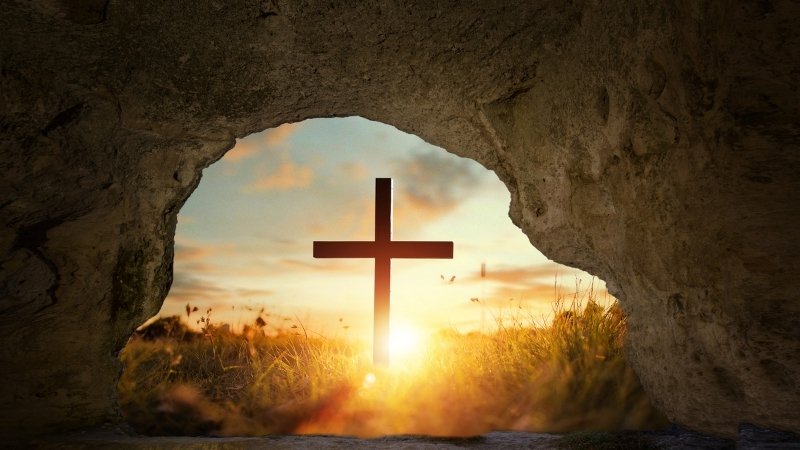
The Cross is Christianity’s central symbol and one of its most profound theological truths. It was an instrument of torture and execution, yet Christians see in it the revelation of God’s love, the forgiveness of sins, and the hope of eternal life. Understanding the significance of the Cross is essential to understanding the Christian faith.
The crucifixion of Jesus was not simply a tragic death. It was central to God’s plan of redemption, reconciling sinful humanity to Himself through the sacrifice of His Son. The Cross reveals both the seriousness of sin and the extraordinary extent of God’s grace.
The Historical Reality of the Cross
Crucifixion was a brutal form of execution used by the Roman Empire, particularly against enslaved people, rebels, and those considered threats to Roman authority. It was intended not only to cause prolonged suffering but also to publicly humiliate and deter others.
Jesus’ crucifixion took place within this historical reality. He was condemned under Roman authority, mocked, beaten, and nailed to a cross. From an earthly perspective, His death appeared to be a shameful defeat.
Yet the New Testament presents the Cross as much more than a Roman execution. What appeared to be defeat became the means through which God accomplished redemption. Jesus willingly laid down His life in obedience to the Father, fulfilling the purpose for which He came (John 10:17–18).
To explore why Jesus’ death was necessary and what it accomplished, see Why Did Jesus Die on the Cross?.
The Theological Meaning: Atonement for Sin
At the heart of the Cross is the Christian understanding of atonement: through Jesus’ sacrificial death, God provides the means for sinners to be forgiven and reconciled to Him.
Isaiah’s prophecy. Isaiah 53:5–6 describes the suffering servant who bears the sins of others. He is wounded for human transgressions, and the Lord lays upon him the iniquity of us all. Christians understand this passage as pointing to Jesus, who suffers on behalf of sinners.
Paul’s explanation. Romans 5:6–11 teaches that Christ died for the ungodly while they were still sinners. God demonstrated His love not because humanity had earned it, but because He acted to reconcile people to Himself through the death of His Son.
The meaning of substitution. Scripture teaches that Jesus bore our sins in His body on the cross (1 Peter 2:24). He took upon Himself the judgment associated with sin so that those who trust in Him could receive forgiveness and reconciliation with God.
The Bible uses several complementary images to explain the Cross. It describes Jesus’ death as a sacrifice for sin, an act of reconciliation, an expression of divine love, and the means of victory over the powers of darkness (Colossians 2:13–15). Together, these images help us understand the depth and breadth of what Christ accomplished.
The Cross was not merely an inspiring example of self-sacrifice. It was central to God’s saving work, addressing the problem of sin and opening the way for a restored relationship with Him.
The Cross and Redemption
Redemption means being set free through the payment of a price or the intervention of a deliverer. In Scripture, this image helps explain how Jesus rescues people from the power and consequences of sin.
Humanity’s bondage to sin. Romans 6:17–18 describes how people who were once slaves to sin can become servants of righteousness. Sin is more than a series of isolated mistakes; it is a power that distorts our desires, damages our relationships, and separates us from God.
Christ’s costly redemption. First Peter 1:18–19 explains that believers were not redeemed with perishable things such as silver or gold, but with the precious blood of Christ, described as a lamb without blemish or defect. Jesus gave His life to accomplish what human effort could never achieve.
Freedom for a new life. Galatians 5:1 declares that Christ has set believers free for freedom. This does not mean Christians never struggle with temptation or make mistakes. It means sin no longer has to define their identity or determine the direction of their lives. Through Christ, believers are called to live in the freedom and righteousness God provides.
Redemption, therefore, involves more than escaping punishment. It means belonging to Christ and learning to live in the freedom He has secured.
The Cross and Forgiveness
The Cross reveals how seriously God takes sin and how far His grace extends. God does not treat evil as insignificant or simply pretend that wrongdoing does not matter. Through Christ, He provides the means for forgiveness and reconciliation while demonstrating His righteousness and love (Romans 3:23–26).
Forgiveness is costly. When someone forgives a wrong, the harm does not magically disappear. Forgiveness involves relinquishing the desire for personal vengeance and refusing to let resentment govern the future. The Cross reveals the extraordinary cost of God’s provision for our forgiveness.
Forgiveness rests on Christ’s sacrifice. Hebrews 10:10–14 explains that Jesus offered Himself once for all. His sacrifice is sufficient; believers do not need to earn God’s forgiveness through repeated sacrifices or their own attempts to become worthy. Through Christ, they can approach God with confidence.
Forgiveness transforms relationships. Galatians 2:20 describes the personal nature of Christ’s love: the Son of God loved Paul and gave Himself for him. The Cross demonstrates God’s love for the world, but that love is also personally meaningful to everyone who trusts in Christ.
Receiving God’s forgiveness also shapes how believers treat others. Because they have received mercy, they are called to extend forgiveness and compassion. This does not require denying harm, abandoning appropriate boundaries, or excusing abuse. It means seeking to respond in a way that reflects the grace they have received.
For a deeper look at this subject, read The Power of Forgiveness: Understanding God’s Grace.
The Cross and God’s Love
The Cross is the supreme demonstration of God’s love. Romans 5:8 declares that God showed His love for us in that Christ died for us while we were still sinners.
This love is not based on human achievement or worthiness. God did not wait for humanity to become righteous before providing a way of salvation. Christ’s sacrifice reveals a love that acts on behalf of those who cannot rescue themselves.
The Cross also shows that God’s love is not indifferent to human suffering and brokenness. In Jesus, God entered human history, experienced suffering, and gave Himself for the redemption of others.
This does not mean that every painful experience is easy to understand or that Christians will be spared suffering. Rather, the Cross assures believers that suffering, sin, and death do not have the final word in God’s purposes.
God’s love at the Cross calls for a response of trust, gratitude, and a growing willingness to love others sacrificially.
The Cross, God’s Justice, and His Mercy
Some people struggle with the idea that forgiveness involves sacrifice. Why could God not simply forgive sin without the Cross?
Christian theology offers several complementary ways of understanding this question. Scripture presents God as both righteous and merciful. He does not ignore evil, yet He provides a way for sinners to be reconciled to Him.
Romans 3:25–26 connects Christ’s sacrifice with the demonstration of God’s righteousness. At the Cross, God addresses sin while providing salvation through Jesus. His mercy does not mean that sin is unimportant, and His justice does not mean that He is unwilling to forgive.
Christians have explained aspects of atonement in different but overlapping ways, including substitution, sacrifice, reconciliation, and victory over evil. These biblical themes should not be reduced to a single mechanical formula. Their shared focus is that God takes the initiative to save through the life, death, and resurrection of Jesus Christ.
The Cross therefore reveals neither justice without mercy nor mercy without regard for justice. It reveals God’s saving response to the reality of human sin and His desire to reconcile people to Himself.
The Cross and Spiritual Transformation
The Cross is not merely an event to remember. Its significance shapes the identity, priorities, and daily lives of those who follow Jesus.
Crucified with Christ. In Galatians 2:20, Paul writes that he has been crucified with Christ. He is describing a changed identity: his life is no longer governed by his former self-centered way of living but by faith in the Son of God. Believers are called to turn away from sin and live under Christ’s lordship.
Raised to new life. Romans 6:4–11 explains that believers are united with Christ in His death and resurrection. Just as Christ was raised from the dead, they are called to walk in newness of life. Christian transformation is not simply self-improvement; it is a new way of living made possible by God’s grace.
Made new in Christ. Second Corinthians 5:17 declares that anyone who is in Christ is a new creation. This transformation develops over time as believers learn to resist sin, renew their minds through Scripture, grow in godly character, and depend on the Holy Spirit.
The Cross does not promise an immediate end to every struggle. Rather, it establishes a new foundation for life. Believers can acknowledge their failures, receive God’s forgiveness, and continue growing in faith without relying on their own perfection.
Living in Light of the Cross
Understanding the Cross should influence how Christians live, not simply what they believe.
We live in gratitude. Recognizing the cost of Christ’s sacrifice helps believers approach God with thankfulness rather than taking His grace for granted.
We live in humility. Salvation is not a reward for superior morality or spiritual achievement. It is a gift of God’s grace. This truth challenges pride and encourages compassion toward others.
We live in sacrificial love. Jesus calls His followers to deny themselves, take up their cross, and follow Him (Matthew 16:24). This means surrendering selfish ambitions and remaining faithful to Christ, even when obedience is costly. It does not mean seeking suffering for its own sake or accepting mistreatment as a spiritual obligation.
We pursue reconciliation. Because Christ has reconciled believers to God, they are called to pursue peace, extend mercy, and work toward restored relationships where possible (2 Corinthians 5:18–20).
We live in hope. The Cross must be understood alongside the Resurrection. Jesus did not remain in the grave. His resurrection demonstrates His victory over death and provides the foundation for the Christian hope of eternal life.
These responses do not earn salvation. They are the fruit of a life being shaped by the grace already received through Christ.
The Eternal Significance of the Cross
The Cross stands at the center of God’s saving work, but its meaning cannot be separated from the larger biblical story of creation, sin, redemption, and restoration.
Ephesians 1:4–10 describes God’s purpose in Christ as part of His plan established before the foundation of the world. The New Testament presents Jesus’ saving work as the fulfillment of God’s redemptive purpose, not an unexpected response to events that took Him by surprise.
The Cross also points forward to the final restoration of all things. Revelation 5:9–12 portrays heavenly worship directed toward the Lamb who was slain and who redeemed people for God through His blood. The risen Christ is honored because He accomplished redemption through His sacrifice.
For Christians, the Cross will never become an insignificant detail of history. It remains a lasting testimony to God’s holiness, love, and saving grace. Its significance endures because the One who died is also the One who rose and reigns.
To understand this hope more fully, read The Resurrection of Jesus Christ.
The Cross and Your Salvation
The Cross is not merely a doctrine to understand intellectually. It calls for a personal response to Jesus Christ.
The Bible teaches that all have sinned and fall short of God’s glory (Romans 3:23), but God offers forgiveness and reconciliation through Jesus. Salvation is not earned through good works, religious activity, or personal achievement. It is received by God’s grace through faith in Christ (Ephesians 2:8–9).
To respond to the Gospel means acknowledging your need for God’s forgiveness, placing your trust in Jesus Christ, and turning toward a life of following Him. This response does not mean that you will never struggle or fail. It means that your hope rests in Christ rather than in your own ability to make yourself righteous.
Through Jesus, those who trust in Him can be forgiven, reconciled to God, and given new life. The Cross reveals the seriousness of sin, the depth of God’s love, and the hope available through His Son.
Reflect and respond: What does the Cross reveal to you about God’s character? Is there an area of your life in which you need to receive His forgiveness, extend forgiveness to someone else, or trust Him more deeply? Take time to pray, reflect on Scripture, and consider how Christ’s sacrifice can shape your choices today.
The Cross is the foundation of Christian hope: through the death and resurrection of Jesus Christ, God has opened the way to forgiveness, reconciliation, and eternal life.