Why Did Jesus Die on the Cross?
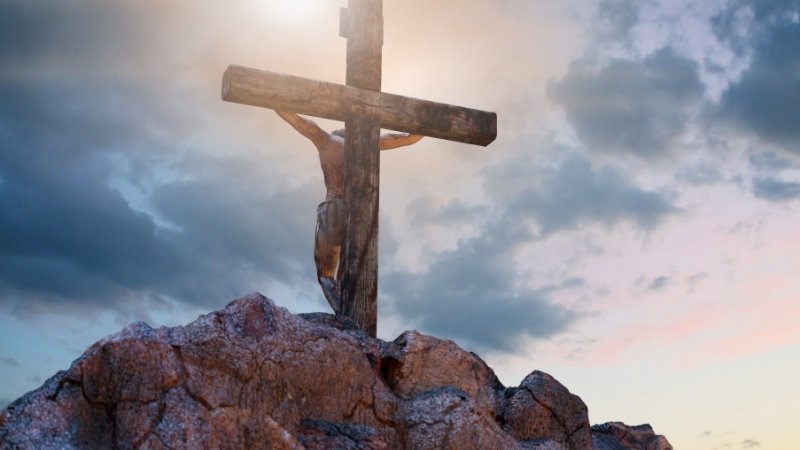
Of all the questions a person can ask, few are more important than this one: Why did Jesus die on the cross? The cross stands at the very center of the Christian faith. It is the symbol we wear, the image we sing about, and the event we return to again and again. But a symbol only has meaning if we understand what it represents. To grasp why Jesus died is to grasp the heart of the gospel itself.
The answer is not a single sentence. Scripture reveals several interwoven reasons for the cross, each one deepening our understanding of what God accomplished there. Together they form a picture of love, justice, mercy, and grace that has the power to change a life.
Jesus Died to Pay the Penalty for Our Sin
The Bible is clear that sin is not a small matter. From the very first pages of Scripture, we learn that humanity's rebellion against God carries a terrible cost. Romans 6:23 states it plainly: "For the wages of sin is death." Sin separates us from the God who made us, and that separation leads ultimately to spiritual death—eternal separation from the One who is the source of all life and goodness.
God is perfectly just, and justice requires that sin be punished. He cannot simply ignore it or pretend it does not matter. Yet God is also perfectly loving, and He does not want anyone to perish (2 Peter 3:9). How can a holy God forgive sinners without compromising His justice?
The cross is God's answer. On it, Jesus—the sinless Son of God—took upon Himself the punishment our sins deserved. As Isaiah prophesied centuries beforehand, "He was pierced for our transgressions; he was crushed for our iniquities; upon him was the chastisement that brought us peace, and with his wounds we are healed" (Isaiah 53:5). Jesus stood in our place, bearing the penalty we had earned, so that we could go free.
This is what Christians call substitutionary atonement. Christ died as our substitute, paying a debt we could never pay ourselves. It is the foundation of everything else the cross accomplishes.
Jesus Died to Reconcile Us to God
Sin did more than earn a penalty. It broke our relationship with God. From the moment Adam and Eve turned away in the garden, humanity has been alienated from its Creator. We were created for fellowship with God, but sin erected a wall between us.
The cross tears that wall down. Paul writes in 2 Corinthians 5:18–19, "All this is from God, who through Christ reconciled us to himself and gave us the ministry of reconciliation; that is, in Christ God was reconciling the world to himself, not counting their trespasses against us." Reconciliation means the restoration of a broken relationship. Through Jesus' death, the hostility caused by sin is removed, and we are brought back into friendship with God.
This is why the cross is such good news. We were not merely guilty criminals awaiting sentence; we were estranged children longing to come home. Jesus' death opens the way home. As Paul explains in Romans 5:10, "While we were enemies we were reconciled to God by the death of his Son." The cross turns enemies into family.
Jesus Died to Demonstrate God's Love
It is one thing to be told that God loves us. It is another thing entirely to see that love proven beyond any doubt. The cross is the supreme proof of God's love for a broken world.
Romans 5:8 captures it in a single, breathtaking sentence: "But God shows his love for us in that while we were still sinners, Christ died for us." Notice the timing. Jesus did not wait until we had cleaned ourselves up, earned His favor, or proven ourselves worthy. He died for us "while we were still sinners." His love reached down to us at our worst.
When we doubt whether God cares—when life is hard, when we feel unworthy, when we have failed yet again—the cross speaks. It tells us that the God who gave His only Son will not withhold any good thing from those who come to Him through Christ (Romans 8:32). If you have ever wondered whether God loves you personally, look to the cross. There is no greater evidence.
Jesus Died to Defeat Sin and Death
The cross was not a defeat. It was a victory. Though Jesus truly suffered and died, His death was the decisive blow against the powers that hold humanity captive.
The writer of Hebrews explains that through death Jesus destroyed "the one who has the power of death, that is, the devil" (Hebrews 2:14). And Paul triumphantly declares in 1 Corinthians 15:55–57, "O death, where is your victory? O grave, where your sting?... Thanks be to God, who gives us the victory through our Lord Jesus Christ."
Death entered the world through sin, and it has haunted humanity ever since. But the cross breaks sin's grip and empties death of its finality. The resurrection, which followed three days later, is the public confirmation of that victory. Jesus rose from the grave, proving that sin and death could not hold Him—and that those who belong to Him will share in His triumph.
This is why the cross is not a tragedy to be pitied but a victory to be celebrated. The One who died is the One who conquered, and He offers that same victory to all who trust in Him.
Jesus Died to Set Us Free for a New Life
The cross does not merely save us from something. It saves us for something. Jesus died so that we could be freed from the power of sin and enabled to live a new kind of life.
Peter writes that Christ "himself bore our sins in his body on the tree, that we might die to sin and live to righteousness" (1 Peter 2:24). The goal of the cross is not just forgiveness but transformation. We are set free from slavery to sin so that we can begin to live as God intended—loving Him and loving others from a renewed heart.
This new life is not something we produce through sheer effort. It flows from the same grace that saved us. As we learn to walk with Christ day by day, the Holy Spirit works within us to make us more like Jesus. If you long to grow in that daily walk with God, learning how to grow spiritually every day will help you take practical steps toward the transformed life the cross makes possible.
What This Means for You
The cross is not merely a historical event to be studied. It is a personal invitation to be received. Jesus did not die in the abstract; He died for people—for you and for me. And the benefits of His death are not automatic. They are received through faith, by turning from our sin and trusting in Christ alone for salvation.
Romans 10:9 promises, "If you confess with your mouth that Jesus is Lord and believe in your heart that God raised him from the dead, you will be saved." Salvation is a gift, freely offered, received by simply trusting in what Jesus has already done. You do not have to earn it. You cannot. He already paid the full price.
If you have never done so, you can come to Him today. Confess your sin, acknowledge your need for a Savior, and place your trust in Jesus Christ. The same cross that paid the penalty for sin stands open for you.
Living in the Light of the Cross
Once we understand why Jesus died, everything changes. Our guilt is removed because He bore it. Our relationship with God is restored because He reconciled us. Our future is secure because He conquered death. And our present is transformed because He has set us free to live for Him.
The cross is not the end of the story—it is the beginning of a new life of walking with God. If you want to understand more of what Scripture teaches about Jesus and the good news of salvation, learning how to study the Bible for beginners will help you explore these truths for yourself. And if you are ready to build a daily rhythm of feeding on God's Word, discovering how to read the Bible every day will help you let the truth of the cross shape your heart, one day at a time.
The question "Why did Jesus die on the cross?" has an answer that is both simple enough for a child to receive and deep enough to spend a lifetime exploring. He died for us. He died for you. And He invites you to come, receive His grace, and follow Him into new life.
Create a free account at Christians Bible Companion to track your daily reading progress and begin your Bible in One Year journey today.