Helping Your Children Love God's Word
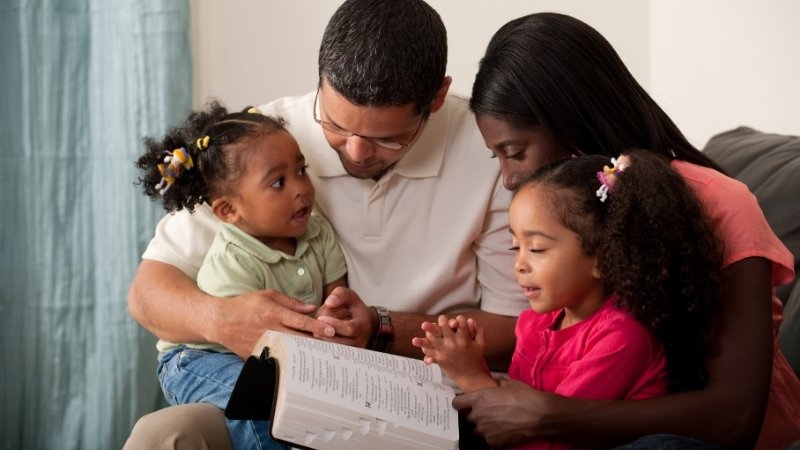
Every parent who loves God carries the same quiet hope: that their children will not merely know about the Bible, but genuinely value God's Word, understand its truth, and learn to follow Jesus Christ. We want them to read Scripture not merely out of obligation, but with a growing desire to know the God who has revealed Himself through His Word.
This is a worthy hope, and parents have an important role in nurturing it. Children learn from what they see, hear, and experience at home. When Scripture is part of ordinary family life, children have regular opportunities to learn about God's character, understand His commands and promises, and see what it means to live by faith in Jesus Christ.
We cannot determine how our children will respond to God, nor can we manufacture genuine faith in their hearts. But we can faithfully teach them the truth of Scripture, model a sincere love for God's Word, pray for them, and encourage them to develop their own relationship with the Lord.
The goal is not simply to manage children's spiritual behaviour. It is to help them understand God's Word, recognise its importance, and grow in a personal faith that shapes how they think, live, and relate to others.
Why Early Exposure Matters
Long before children can read independently, they begin learning from their surroundings. They listen to the voices of their parents, observe daily routines, and absorb the values demonstrated in their homes. These early experiences can help shape how they understand faith and their place in the world.
Introducing children to Scripture early gives them opportunities to become familiar with its stories, teachings, and central message. Hearing a Psalm read aloud, learning a verse, singing a Scripture-based song, or listening to an account of Jesus' life can help God's Word become a familiar part of their upbringing.
Deuteronomy 6:6–7 provides a foundational principle for parents:
"These commandments that I give you today are to be on your hearts. Impress them on your children. Talk about them when you sit at home and when you walk along the road, when you lie down and when you get up."
God instructed His people to teach His commands throughout the ordinary rhythms of daily life. His Word was not to be confined to occasional religious gatherings. Parents were to keep His truth before their children and teach them to live in accordance with it.
Christian parents can apply this principle by bringing Scripture into everyday family life. As children grow, they can learn who God is, why humanity needs redemption, what Jesus Christ accomplished through His death and resurrection, and what it means to trust and obey Him.
Early exposure does not guarantee that a child will follow Christ as an adult. However, faithful teaching provides important opportunities for children to learn the truth, ask questions, and understand the foundations of the Christian faith.
Model What You Want to Cultivate
Before introducing techniques, reading schedules, or children's Bible resources, consider one of the most influential things you can do: let your children see that God's Word matters to you.
Children notice how their parents use their time, what they turn to during difficulties, and which values guide their decisions. When they see you reading Scripture regularly, praying, and seeking biblical guidance, they witness how faith can shape everyday life.
You do not need to be a biblical scholar to model a genuine love for God's Word. Be willing to share what you are learning. You might say, "I read something in the Psalms today that reminded me to trust God," or explain how a passage has challenged you to be more patient, forgiving, or compassionate.
Let your children see that you turn to Scripture when you need wisdom, encouragement, correction, or comfort. If you make a mistake, demonstrate humility by acknowledging it and seeking to respond in a way that honours God.
Your example will not replace the need to teach your children directly, but it can reinforce what you teach. They can see that the Bible is not merely a book their parents expect them to read; it is God's Word, which you also seek to understand and live by.
Make Scripture a Natural Part of Conversation
Deuteronomy 6 encourages parents to speak about God's commands throughout the ordinary activities of life. One practical way to follow this principle is to connect biblical truth to situations your children encounter.
When your child feels afraid, you might read Psalm 56:3, which expresses trust in God when we are afraid. When they struggle to forgive a friend, Colossians 3:13 reminds believers to forgive as the Lord has forgiven them. When something good happens, James 1:17 can prompt a conversation about God's goodness and the gifts He provides.
These conversations do not need to become formal lessons. A few sincere words, a relevant passage, or a short discussion can help children understand that God's Word speaks to real questions and everyday decisions.
Be careful, however, not to use Scripture merely to silence a child's feelings or end a difficult conversation. If your child is upset, listen first. Then help them consider what the Bible teaches about their situation and how they can respond faithfully.
Over time, these conversations can help children understand that following Jesus involves more than attending church or knowing Bible stories. It means learning to trust God, love others, turn away from sin, seek forgiveness, and live according to the truth of His Word.
Read Aloud Together From the Very Beginning
Reading Scripture aloud is a simple way to introduce children to God's Word before they can read independently. You do not need to wait until your child understands every sentence. Begin with short, accessible passages and allow their understanding to grow with age.
For infants and toddlers, keep the experience brief and use age-appropriate Bible storybooks or simple passages. Psalms can introduce language of praise and trust in God. The Lord's Prayer in Matthew 6:9–13 can help older toddlers and young children become familiar with Jesus' teaching about prayer.
As children grow, introduce more biblical narratives. The accounts of creation, Noah, Abraham, Joseph, and Moses provide opportunities to discuss God's character, human choices, faith, and obedience. The Gospels introduce children to Jesus' ministry, His compassion, His teachings, His death, and His resurrection.
Whenever possible, help children distinguish between an adapted Bible story and the biblical text itself. Storybooks can be useful introductions, but they should not replace Scripture. As children become ready, read the relevant passages directly from the Bible and explain unfamiliar words or concepts.
Ask open-ended questions after reading. For example:
- What stood out to you in this story?
- What did this passage teach us about God?
- What do we learn about Jesus from what we read?
- Is there something here that we should remember or put into practice?
Let children express their thoughts, and guide them gently when they misunderstand the passage. The aim is not to test their memory but to help them understand God's Word truthfully.
For practical guidance on making shared reading part of everyday family life, see Starting a Family Bible Reading Routine.
Use Age-Appropriate Tools Wisely
Children's Bibles, illustrated Bible storybooks, devotionals, Scripture songs, and Bible apps can all help children engage with biblical teaching. The key is to use these resources thoughtfully and ensure that they support an understanding of Scripture rather than replace it.
For younger children, illustrations and simple retellings can make unfamiliar stories easier to follow. As children mature, encourage them to read passages directly from the Bible using a translation they can understand. The NIV, NLT, and CSB are examples of translations many families find accessible, although reading ability and individual needs vary.
Giving a child their own Bible can also be a meaningful step. Help them learn how to find books, chapters, and verses, and show them how to read a passage in context. Encourage them to ask questions rather than assume they must understand everything immediately.
Scripture memory activities can reinforce what children are learning. Verse cards, songs based on biblical passages, or a short weekly memory verse can help make God's Word more familiar. Explain the meaning of each verse and its context so that children learn more than the words alone.
The purpose of these tools is not simply to make Bible reading entertaining. It is to help children understand and remember God's truth and grow in their knowledge of Him.
For additional ideas, see Simple Ways to Memorize Bible Verses.
Encourage Questions Without Fear
One of the most valuable gifts parents can give their children is the freedom to ask honest questions about Scripture. Children are naturally curious, and difficult questions can provide opportunities for deeper understanding.
They may ask, "Why did God allow Joseph to suffer?" "Why did people die in the flood?" or "What does it mean that Jesus is the Son of God?" These questions deserve thoughtful answers grounded in Scripture.
You do not need to pretend to know everything. If you are unsure how to answer, say so honestly and offer to explore the question together. Read the relevant passages, consider their context, and consult a trusted pastor or mature Christian when necessary.
Welcoming questions does not mean treating every interpretation as equally true. God's Word remains the authority, and parents have a responsibility to help children distinguish biblical teaching from misunderstanding. The aim is to respond with both truth and patience.
As children grow older, their questions may become more complex. They may wrestle with suffering, the existence of evil, difficult biblical passages, or the relationship between faith and what they encounter in the world. Listen carefully and avoid treating every question as an act of rebellion.
A home where children can ask questions and explore Scripture honestly gives them opportunities to develop a more thoughtful understanding of their faith. Parents cannot promise that their children will never struggle with doubt, but they can show them that questions can be approached with humility, prayer, careful study, and trust in God.
Celebrate Milestones in Their Reading Journey
Recognising a child's effort can encourage continued engagement with Scripture. When your child learns a Bible verse, finishes reading a Gospel, begins reading independently, or develops the habit of opening the Bible regularly, acknowledge the achievement.
Celebration does not need to involve elaborate ceremonies or expensive rewards. A sincere expression of encouragement, a family conversation about what the child learned, or an opportunity to choose the next passage can be enough.
Keep the emphasis on learning God's Word rather than competing for the most verses memorised or the most reading days completed. Children develop at different rates, and spiritual growth cannot be measured by reading achievements alone.
It is also important to avoid making children feel that God's love depends on their performance. Encourage them to read Scripture because it reveals God's truth and helps them learn to know and follow Him—not because they must earn approval from their parents or from God.
When children are encouraged without being pressured, they can learn to value the process of understanding Scripture and applying its teaching.
What to Do When They Resist
Not every child will respond enthusiastically to every approach. Even children who enjoy Bible reading may go through seasons when they seem distracted or uninterested. Resistance does not automatically mean that you have failed as a parent or that your child has rejected the Christian faith.
Instead of responding with frustration, consider what may be contributing to the difficulty. Is the passage too long or difficult? Is the timing inconvenient? Has the routine become repetitive? Is your child dealing with stress, disappointment, or another concern that deserves attention?
Be willing to make adjustments without abandoning the importance of Scripture. Shorten the reading, try a different passage, invite an older child to suggest a topic, or provide more opportunity for discussion. Maintain reasonable expectations according to the child's age and maturity.
Proverbs 22:6 is often cited in discussions about raising children: "Start children off on the way they should go, and even when they are old they will not turn from it." This verse encourages parents to take their responsibility seriously, but it should not be treated as an unconditional guarantee that every child raised in a Christian home will remain in the faith.
Parents are called to teach, guide, correct, encourage, and model godliness. They must also recognise that their children grow into individuals who make their own choices. Faithfulness in parenting matters, even when the results are not immediately visible or unfold differently than expected.
Continue to teach God's Word with patience and love. Pray for your children, demonstrate the faith you want them to understand, and trust the Lord without assuming that you can control their spiritual response.
Pray Scripture With and for Your Children
Prayer is another meaningful way to help children become familiar with God's Word and learn to depend on Him. Parents can use biblical passages to guide their prayers for their children and teach them how to bring their own concerns and hopes before the Lord.
For example, you might pray Proverbs 3:5–6 as a request that your child learn to trust the Lord and seek His guidance. You could pray that your child would grow in love for God and others, reflecting Jesus' teaching in Mark 12:30–31. You can also pray for wisdom, courage, humility, repentance, and a growing understanding of the gospel.
When using a passage in prayer, pay attention to its context. Some biblical promises were given to particular people or within specific circumstances. Rather than assuming every promise applies to your child in exactly the same way, use Scripture to guide prayers that reflect God's character, commands, and revealed purposes.
Invite children to pray in their own words as they grow. Help them understand that prayer is not about using perfect language but about approaching God sincerely, with reverence and trust. Encourage them to thank Him, confess sin, ask for help, and pray for others.
Praying together helps children see that Scripture is not merely something to read or memorise. It also teaches them how to respond to God's truth in worship, dependence, and obedience.
The Long View
Helping your children love God's Word is a long-term responsibility, not a project with a fixed completion date. It requires patience, prayer, instruction, example, and a willingness to keep guiding them through different stages of life.
You may not always see the results of your efforts immediately. A child may remember a Bible passage years later, draw upon a lesson when facing a difficult decision, or begin to understand a familiar truth more deeply as an adult. There may also be seasons when a child questions or distances themselves from the faith they were taught.
You cannot determine the final outcome of your child's spiritual journey. Your responsibility is to teach God's truth faithfully, live out your own faith sincerely, pray for your children, and continue pointing them toward Jesus Christ.
Isaiah 55:10–11 teaches that God's Word will accomplish the purpose for which He sends it. This is a powerful assurance of the effectiveness of God's Word in fulfilling His purposes. It is not, however, a guarantee that every child who hears Scripture will necessarily become or remain a believer.
You can trust the Lord's wisdom and faithfulness while recognising that each child must personally respond to Him. Continue to teach the gospel clearly, demonstrate the love and holiness of God through your conduct, and encourage your children to seek the Lord for themselves.
Your faithfulness in teaching God's Word matters, even when you cannot see how your efforts will shape the future. Leave the results in God's hands while continuing to do what He has entrusted to you as a parent.
Take the Next Step Together
Choose one practical way to make God's Word a more consistent part of your family life this week. You might establish a short time for reading Scripture together, begin learning a verse as a family, or make a point of discussing a biblical truth when a relevant situation arises.
Consider your children's ages, interests, and current understanding as you decide what will work best. Invite them to participate, welcome their questions, and make adjustments as needed. The aim is not to create a perfect routine but to help them grow in their understanding of God's Word.
Most importantly, let your children see that your own love for Scripture is genuine. Read it, seek to live it, pray with them, and show through your actions what it means to follow Jesus Christ.
You cannot force faith into your children's hearts, but you can faithfully teach them the truth, encourage them to seek the Lord, and pray for their spiritual growth.
Begin where your family is today. Keep God's Word central in your home, point your children toward Jesus Christ, and trust the Lord as you faithfully guide them in the way of truth.
Ready to take the next step?
Create a free account to track your daily progress, then begin or continue the Bible In 1 Year Reading Plan.