Simple Ways to Memorize Bible Verses
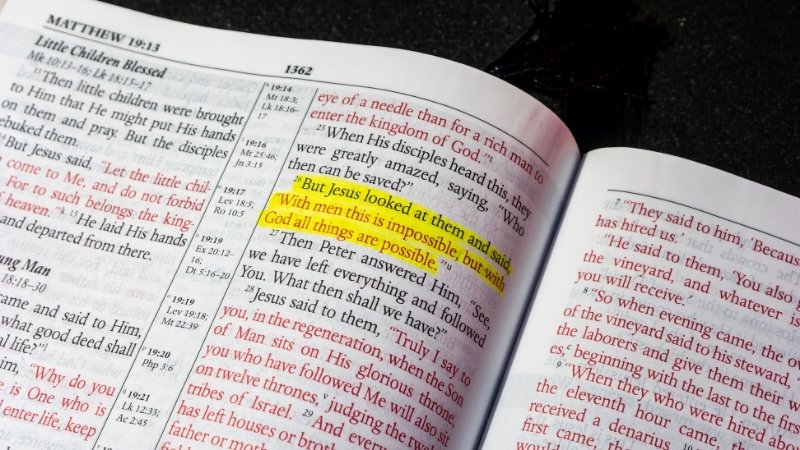
Hiding God's Word in your heart is one of the most meaningful ways to grow in your faith. When you memorize Scripture, you carry its truth with you into difficult conversations, moments of doubt, and times of temptation. The psalmist wrote, "I have hidden your word in my heart that I might not sin against you" (Psalm 119:11, NIV).
Yet for many Christians, memorizing Bible verses feels intimidating. Perhaps you tried in the past and gave up, or you worry that your memory isn't sharp enough. The good news is that Scripture memorization doesn't require a perfect memory. It calls for patience, consistent practice, and a willingness to engage with God's Word.
Here are practical ways to make memorizing Bible verses a natural part of your daily life.
Start With One Verse at a Time
One of the easiest ways to become overwhelmed is to try memorizing too much too soon. Instead of tackling entire passages right away, begin with a single verse that speaks to where you are in your walk with God.
Choose a verse that feels meaningful to you—perhaps one that addressed a question you were wrestling with, brought comfort during a difficult week, or stood out during your Bible reading.
Write it on a small card and keep it somewhere you'll see it throughout the day, such as your bathroom mirror or kitchen counter. Read it whenever you pass by, taking time to consider what it means and how it applies to your life.
Read It Aloud and Repeat It
Reading a verse aloud can help you engage with its words through both sight and hearing. You can also read it silently if that feels more comfortable. The goal is to give the verse your attention and become familiar with its wording.
Try reading your chosen verse several times during your morning quiet time. Say it slowly, paying attention to each phrase. Return to it later in the day and again before bed.
Rather than rushing to memorize a verse in one sitting, revisit it regularly over several days. Short, repeated practice sessions can help you retain what you've learned.
Write It Out by Hand
Writing Scripture by hand is another practical way to focus on a verse and become familiar with its wording.
Keep a small notebook dedicated to Scripture memorization. Begin by copying the verse carefully, paying attention to each phrase. Then cover the original and try writing it from memory. Check your work and correct any words you missed.
Repeat this process as needed. Over time, you may find that you can write more of the verse without looking.
Break Longer Verses Into Phrases
If the verse you're learning is long, divide it into natural phrases and memorize one part at a time.
Consider Philippians 4:6–7, which encourages believers to bring their concerns to God in prayer and describes the peace of God guarding their hearts and minds in Christ Jesus.
Rather than attempting the entire passage at once, begin with "Do not be anxious about anything." Once you can recall that phrase, add "but in every situation, by prayer and petition, with thanksgiving, present your requests to God."
Continue with the next phrase, connecting each new part to what you've already learned. Read the complete passage in context as you practice so you remember not only the words but also the message they communicate.
Practice Recalling the Verse Without Looking
After reading a verse several times, close your Bible or turn your memory card over and try to say it from memory. Don't worry if you stumble at first. Learning often involves making mistakes and correcting them.
This practice, known as active recall, encourages you to retrieve information rather than simply recognize it on the page.
When you get stuck, look at the verse, identify the word or phrase you missed, and try again. You can also write the first letter of each word as a prompt, gradually removing the prompts as your recall improves.
Check your wording against your chosen Bible translation to make sure you are learning the verse accurately.
Use Your Memory Verse Throughout the Day
Memorization becomes more meaningful when you connect Scripture with ordinary moments in life.
Review your verse while making coffee, during a break, or on your commute when it is safe to do so. When you face a frustrating situation, recall the verse and consider how its truth can guide your response.
For example, remembering a passage about patience may encourage you to respond more gently during a difficult conversation. Recalling a passage about God's faithfulness may help you turn to Him when you feel uncertain.
Ask God to help you understand and live out what you are learning. Scripture memorization is not simply about storing words in your mind; it is about allowing God's truth to shape your thoughts, attitudes, and actions. To explore why this practice is important for spiritual growth, read Why Memorizing Scripture Matters.
Review Verses You Already Know
As you memorize new verses, make time to revisit the ones you've already learned. Without review, even familiar passages can become difficult to recall.
Set aside a few minutes regularly to say your verses aloud, write them from memory, or reflect on their meaning. You might review older verses at the beginning of each week before continuing with a new one.
If you have memorized several passages, organize them by topic or keep them on cards that you can revisit in rotation. Adjust the schedule to suit your needs, giving extra attention to verses that are harder to remember.
For additional ideas on retaining what you learn, read How to Remember What You Read in the Bible.
Pair Scripture Memory With Your Reading Plan
If you follow a structured Bible reading plan, consider choosing a memory verse from the passages you read that week. Connecting a verse to the larger passage helps you understand its original context and remember its meaning.
The Bible in One Year reading plan includes weekly memory verses alongside morning and evening readings. Using these resources together can help you develop a consistent rhythm of reading, reflection, and memorization.
You can also explore How Weekly Memory Verses Can Transform Your Faith for more encouragement and practical ideas for making Scripture memory part of your routine.
Be Patient With Yourself
Some verses may become familiar quickly, while others may take days or weeks of practice. Memory can vary with sleep, stress, attention, and individual learning differences. Taking longer to memorize a verse does not mean you lack faith or that you are failing spiritually.
Focus on consistency rather than speed. Learning one verse well and understanding its meaning can be more valuable than rushing through several verses without reflecting on them.
Give yourself permission to learn gradually. The goal is not to impress others with how much Scripture you can recite. It is to grow in your understanding of God's Word and carry its truth into everyday life, one verse at a time.
Start your Scripture memory journey today. If you aren't yet following a daily Bible reading plan, the Bible in One Year plan is a helpful place to begin. Its weekly memory verses complement the daily readings and give you a practical way to engage more deeply with Scripture.
You can create a free account to track your reading progress and build a consistent routine of spending time in God's Word.
Ready to take the next step?
Create a free account to track your daily progress, then begin or continue the Bible In 1 Year Reading Plan.