The Armor of God: Spiritual Protection in Daily Life
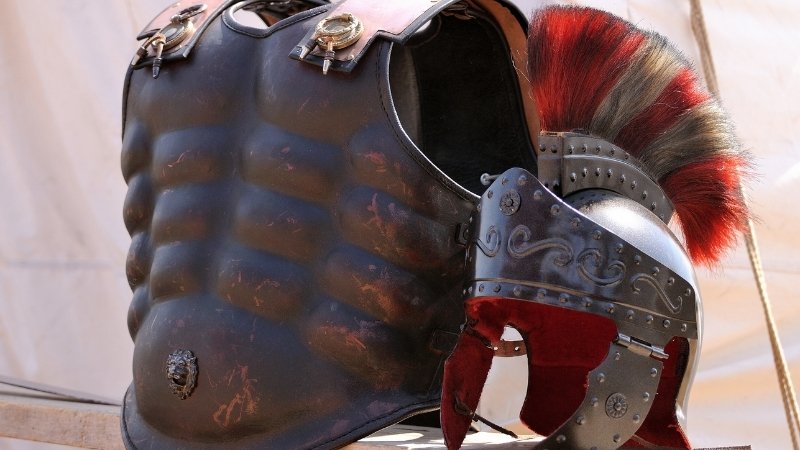
In Ephesians 6:10–18, the apostle Paul describes the armor of God as a picture of how Christians can stand firm against spiritual opposition. He draws on the imagery of a soldier's equipment to explain the truth, righteousness, faith, salvation, and Word of God that strengthen believers.
This passage does not promise a life without hardship or temptation. Instead, it teaches us to depend on God's strength, remain grounded in His truth, and persevere in faith. Each piece of armor points to a vital part of the Christian life, while prayer keeps us attentive to God and concerned for others.
The Call to Spiritual Strength
Paul begins with this instruction: "Be strong in the Lord and in the strength of his might" (Ephesians 6:10). The source of our strength is God, not our determination or personal ability.
Paul also explains the nature of the struggle. In Ephesians 6:12, he reminds believers that their battle is not ultimately against flesh and blood. People may hurt us or oppose us, but our response should not be hatred or a desire to harm them. We need spiritual discernment, faithfulness, and the strength to resist evil while treating others with love.
The repeated instruction to stand firm (Ephesians 6:11, 13–14) is important. Spiritual strength does not mean we will never feel discouraged or face difficult questions. It means continuing to trust God and obey His Word when our faith is tested.
The Belt of Truth
Paul identifies truth as the first piece of armor. A soldier's belt helped secure his equipment; in Paul's illustration, truth is essential to standing firm against deception.
God's truth is revealed in Scripture, and it gives Christians a reliable foundation for belief and conduct. We must also be truthful in our own lives, resisting dishonesty, manipulation, and self-deception.
Putting this into practice means reading Scripture carefully, examining teachings in light of God's Word, and being willing to correct our thinking when it conflicts with biblical truth. When a tempting idea sounds convincing, we can ask whether it agrees with what God has revealed rather than accepting it simply because it feels right.
For practical guidance on evaluating what we believe, see How to Discern God's Voice Biblically.
The Breastplate of Righteousness
A breastplate protected a soldier's vital organs. Paul uses this image to describe righteousness as part of our spiritual protection.
Righteousness is closely connected to our relationship with God and the way we live. We do not earn salvation by behaving perfectly; we are saved through God's grace. Yet faith in Christ is not a reason to ignore sin. As we follow Jesus, we are called to pursue integrity, obedience, and holiness.
This means confessing sin honestly, making choices that honor God, and seeking to make things right when we have wronged someone. These actions do not purchase God's acceptance. They reflect a life being shaped by His truth and grace.
When guilt exposes a real failure, we should respond with repentance rather than denial. When accusations lead us to believe that failure puts us beyond God's mercy, we can remember that our hope rests in Christ, not in a claim of personal perfection.
Feet Fitted with the Gospel of Peace
Paul describes believers' feet as fitted with the readiness that comes from the gospel of peace (Ephesians 6:15). The image points to being prepared to stand firm in the good news of Jesus Christ.
The gospel announces God's offer of reconciliation through Christ. It also shapes how Christians respond to a divided and hurting world. We are called to share the message of Jesus faithfully and to pursue peace where we can, without compromising truth.
In daily life, readiness may mean explaining the hope you have in Christ when someone asks, responding calmly rather than escalating an argument, or taking a step toward reconciliation when it is appropriate. Peacemaking does not mean tolerating abuse or pretending that serious wrongdoing has not occurred. It means reflecting Christ's truth and grace in the way we deal with people.
The Shield of Faith
Paul tells believers to take up the shield of faith, with which they can extinguish the flaming arrows of the evil one (Ephesians 6:16). The image conveys the importance of trusting God when faith is challenged.
Those challenges may involve fear, temptation, deception, or thoughts that undermine confidence in God's character. Faith does not require us to pretend that pain is unreal or that every question has an immediate answer. It means continuing to rely on God even when circumstances are difficult and understanding is incomplete.
You can strengthen your faith by remembering God's faithfulness in Scripture, reflecting on what He has already done in your life, and seeking the wisdom of mature Christians when you need encouragement. When doubt arises, bring your questions honestly to God rather than assuming that having questions means you have no faith.
Faith is not confidence in our ability to control outcomes. It is trust in God as we obey Him and leave the results in His hands.
The Helmet of Salvation
A helmet protects the head, and Paul uses this image to emphasize the importance of salvation. In Ephesians 6:17, he tells believers to take the helmet of salvation.
Remembering what God has done through Jesus Christ can strengthen us when we face accusation, discouragement, or uncertainty. Our standing before God does not depend on achieving a flawless record. Salvation rests on God's grace through Christ, and our response is to trust Him and continue following Him.
Wearing the helmet of salvation, in practical terms, means returning to the truth of the gospel when shame or fear overwhelms us. It also means allowing the hope of God's saving work to shape our choices rather than letting temporary circumstances define our identity.
This assurance should not make us careless about sin. Instead, gratitude for God's grace encourages repentance, obedience, and perseverance.
The Sword of the Spirit
Paul identifies the sword of the Spirit as the Word of God (Ephesians 6:17). The sword differs from the other items in the illustration because it can be used actively in resisting opposition. Yet the point is not to use Bible verses as weapons against people. Scripture equips us to recognize error, resist temptation, and respond faithfully to God.
When Jesus was tempted in the wilderness, He answered Satan's temptations with Scripture (Matthew 4:1–11). He understood and applied God's Word in the face of temptation rather than surrendering to it.
We can follow His example by learning Scripture, understanding passages in context, and applying their meaning to our decisions. Memorizing verses can help us recall biblical truth when we need it, but familiarity alone is not enough. We must also seek to understand what the passage teaches and live accordingly.
The goal is not simply to quote Scripture during a struggle. It is to let God's Word shape our thinking, expose deception, and guide our actions.
Prayer: Staying Alert and Dependent on God
Paul concludes the passage by calling believers to pray "in the Spirit on all occasions with all kinds of prayers and requests" (Ephesians 6:18). He also urges them to remain alert and pray for all the Lord's people.
Prayer is not a separate technique for activating the armor. It is an essential expression of dependence on God as we seek to stand firm in faith. Through prayer, we ask for wisdom, confess our failures, seek strength in temptation, and bring the needs of other believers before God.
A practical routine might include reading Ephesians 6:10–18 slowly, asking God to help you recognize where you need to trust Him, and praying for someone facing a difficult situation. You can also pray throughout the day when a decision, conflict, or temptation calls for wisdom and self-control.
Prayer does not guarantee that every struggle will disappear. It directs our attention to God, whose strength we need in every circumstance.
Living in the Armor of God Every Day
Paul's teaching is not a formula that guarantees protection from every painful experience. It is a call to depend on God and remain faithful amid spiritual opposition.
You can put this teaching into practice by asking yourself a few questions:
- Truth: Am I believing what Scripture teaches, or accepting something simply because it feels convincing?
- Righteousness: Is there a choice I need to change, a sin to confess, or a wrong I need to address?
- Gospel of peace: How can I represent Christ faithfully and respond to others with both truth and grace?
- Faith: Where do I need to trust God's character rather than assume I can control the outcome?
- Salvation: Am I resting in Christ's saving work instead of measuring my worth by my performance?
- God's Word: What does Scripture actually teach about the challenge I am facing?
- Prayer: Whom can I pray for, and where do I need God's wisdom and strength today?
You do not need to treat these questions as a checklist to complete perfectly. Use them as prompts for honest reflection, prayer, and faithful action.
Standing Firm in God's Strength
The armor of God reminds us that Christians are not called to face spiritual challenges through willpower alone. God has given us His truth, the call to righteousness, the good news of peace, faith, salvation, His Word, and the privilege of prayer.
As you return to Ephesians 6, remember Paul's opening command: be strong in the Lord. The aim is not to become flawless, but to keep trusting God, resist what draws you away from Him, and remain faithful when the path is difficult.
Spiritual strength grows as we depend on God's provision and put His Word into practice. Day by day, we can stand firm in Christ, confident that our hope rests in Him rather than in our own strength.